Wednesday, 18 June 2025

Iran vs Israel: How it started — What’s happening now.

 Iran vs Israel: How it started — What’s happening now


1. On October 1, 2024, Israel’s secret agency Mossad released a cryptic video on Twitter. The video wasn’t just a message — it was a warning. Hidden in it was a clue: a vulnerable target inside Iran. That target? The Natanz nuclear facility — Iran’s largest power plant.


2. It was a promise from Israel — and they kept it.

On June 12, 2025, just 8 months later, they launched “Operation Rising Lion.”

A massive airstrike hit over 100 Iranian military and nuclear sites.


3. Iran hit back on June 13 with “Operation True Promise III,”
unleashing hundreds of ballistic missiles and drones on Israel. Among them — a hypersonic missile, blazing through the skies faster than Flash.


4. Iran targeted Tel Aviv, Rishon LeZion, and several other cities. Despite Israel’s Iron Shield intercepting many, some missiles got through. Damage was light — but the message was loud.


5. Israel deployed its THAAD defense system for a space-level intercept. The missile was taken out above Earth’s atmosphere — literally in space. It was an exoatmospheric interception, showcasing next-level defense tech.


6. Iran is preparing to declare war on Israel and planning retaliation. Ted Cruz just admitted Iran openly defied Trump. Remember when Trump blamed Biden for the Ukraine war and Hamas attacks? Now the tables have turned.


7. A page claiming to the the Iran Military posted this saying "you started it first"


8. Parts of Tel Aviv lie in smouldering ruins as of 16 June,2025 night.


9. Israeli defense warns of more Iranian hypersonic missiles, possibly hitting as early as 5AM. Is Iran retaliating for Israel’s actions in Gaza? 😳 Tensions are heating up fast.


10. Iranian citizens chant "Death to Israel" in the streets of Tehran, the capital of Iran.


11. Just hours ago, an Israeli drone struck Iran’s South Pars gas field — the world’s largest. This massive field holds around 10% of the world’s gas reserves. The impact could shake global energy markets.


Tuesday, 17 June 2025

🌐 Who is Tulsi Gabbard? Her Trump Clash & Iran Spotlight

 🌐 Who is Tulsi Gabbard? Her Trump Clash & Iran Spotlight

1. 🧭 Background: From Congress to DNI

Tulsi Gabbard is a military veteran and politician who made history as the first Hindu American and Samoan American in the U.S. Congress, representing Hawaii's 2nd district from 2013 to 2021. She served in the Army National Guard during the Iraq War, later running for the 2020 Democratic presidential nomination. In a surprising political turn, she endorsed Donald Trump, left the Democratic Party in 2022, and joined the Republicans.


In November 2024, Trump nominated her as Director of National Intelligence (DNI)—confirmed in early 2025. That role puts her in charge of 18 U.S. intelligence agencies and a $70 billion budget.


2. ⚠️ Controversies & Disputes

a) Syria, Russia & Assad

Gabbard’s earlier diplomatic activities—like her 2017 meeting with Syrian leader Bashar al-Assad and questioning of Assad-era chemical weapon claims—provoked criticism. Former officials accused her of echoing Kremlin narratives.

b) Trump Dispute

Recently, Gabbard downplayed Iran’s immediate risk of pursuing nuclear weapons, based on U.S. intelligence reports. Trump strongly disagreed. He asserted Iran was “very close” to a bomb and publicly dismissed her assessment: “I don’t care what she said”. This exchange highlights a rift:


  • Gabbard: Iran stockpiles uranium but isn’t actively weaponizing it .

  • Trump: Believes Iran remains near nuclear capability and criticizes her stance.


3. 📡 Why She’s in the News Over Iran

  • Diplomatic position: Gabbard opposes unilateral military operations and warns against escalation—echoing reactions during the assassination of Iran’s Qassem Soleimani in 2020.

  • Nuclear caution: Her recent DNI testimony challenges the narrative that Iran is actively weaponizing its program, stirring political debate amid ongoing Israel–Iran hostilities.

  • Policy influence: By appointing critics of military intervention, Trump reshaped U.S. intelligence priorities, reflecting his vision of less overseas military engagement—even against Iran .


4. 🧩 Powers & Criticisms of Gabbard as DNI

Powers

  • Oversees U.S. intelligence agencies: CIA, NSA, FBI, etc.

  • Steers national threat assessments and spy direction.

  • Influences global policy on sensitive issues like Iran nuclear capabilities.

Criticisms

  • Lack of intelligence experience, with critics warning she aligns too closely with authoritarian regimes.

  • U.S. former diplomats warned about her diplomatic judgment, particularly toward Iran, Russia, and Syria.

  • Republicans like Nikki Haley caution against her past views on Iran and Syria and her perceived “Russian sympathies”.


5. 🔍 What's At Stake—Iran & Global Security

  • Intelligence shift: With Gabbard as DNI, intelligence framing on Iran may emphasize caution and non-escalation.

  • Trump–Gabbard conflict: Highlights tensions between U.S. political leadership vs. intelligence professionals—Trump favors aggressive assertions, Gabbard advocates evidence-based restraint.

  • Regional implications: As Israel–Iran dynamics intensify, U.S. intelligence messaging can sway diplomatic, military, and alliance decisions.


6. 🕊 Conclusion

Tulsi Gabbard’s rise to DNI marks a pivot toward non-interventionism in U.S. intelligence circles—at a time when Iran’s nuclear ambitions and Middle East stability are critical global concerns. Her public showdown with Trump underscores how polarized America remains on Iran policy. With both strategic restraint and political hardline voices at play, all eyes are on how Gabbard’s approach will influence future U.S. actions toward Tehran.

🌍 G7 Explained: Members, History, Powers, and G7 Summit 2025 Highlights

🌍 G7 Explained: Members, History, Powers, and G7 Summit 2025 Highlights

The G7, or Group of Seven, is a political and economic forum that brings together seven of the world’s most advanced and industrialized democracies. The group plays a crucial role in global governance, shaping the agenda on key issues such as economic stability, climate change, technological development, and geopolitical conflicts.

In this blog, we will explore:

  • What is the G7?

  • Member countries and their joining years

  • Objectives and functioning of the G7

  • Powers and limitations of the G7

  • G7 vs G20

  • Details of the G7 Summit 2025 – host country, location, and agenda


📖 What is the G7?

The Group of Seven (G7) is an intergovernmental organization consisting of seven of the world's richest and most advanced economies. It is not based on any treaty or formal charter, but rather functions as an informal group that meets regularly to coordinate global policy responses to emerging challenges.

Formed during the 1970s oil crisis, G7 was meant to offer a platform for major industrial nations to address economic shocks, inflation, energy crises, and international trade tensions.


🌐 G7 Member Countries and Their Year of Joining

All G7 members are democracies with advanced economies and high human development indices.

CountryYear JoinedGDP (Nominal, Approx)Key Strengths
🇫🇷 France1975$3.0 trillionEnergy, aerospace, diplomacy
🇩🇪 Germany1975$4.5 trillionManufacturing, exports, engineering
🇮🇹 Italy1975$2.0 trillionFashion, tourism, industrial products
🇯🇵 Japan1975$4.3 trillionTech, robotics, electronics
🇬🇧 United Kingdom1975$3.4 trillionFinance, healthcare, AI
🇺🇸 United States1975$28.7 trillionMilitary, tech, finance, global influence
🇨🇦 Canada1976$2.2 trillionNatural resources, energy, agriculture

👉 European Union has been a participant since 1977, but is not an official member.


🔍 What Does the G7 Do?

G7 doesn’t pass binding resolutions like the United Nations or create laws. Instead, it works through consensus-building and joint statements, guiding international priorities on:

✅ Key Focus Areas:

  1. Economic Policy:
    Tackling inflation, taxation, and global trade disputes.

  2. Climate Change:
    Commitment to net-zero emissions, clean energy transition, carbon pricing.

  3. Technology and AI:
    Ensuring ethical development of artificial intelligence and digital infrastructure.

  4. Security & Foreign Policy:
    Coordinated sanctions (e.g., against Russia), support for Ukraine, counter-terrorism.

  5. Public Health:
    Global vaccine strategy (e.g., COVAX during COVID-19), pandemic preparedness.

  6. Human Rights and Democracy:
    Defending press freedom, fair elections, LGBTQ+ and gender rights.


💼 How Does G7 Work?

  • G7 does not have a permanent secretariat or HQ.

  • Every year, a member country holds the presidency, hosting the G7 Summit and setting the agenda.

  • It involves:

    • Heads of Government

    • Finance Ministers

    • Foreign Ministers

    • Climate and Energy Ministers (in recent years)


🔋 Powers of the G7

Despite being informal, the G7 holds immense global influence:

  • Economic Clout:
    Combined, G7 countries account for nearly 45% of global GDP.

  • Technological Leadership:
    Home to top global tech companies and R&D institutions.

  • Military Strength:
    Includes 4 NATO nuclear powers (US, UK, France, Canada).

  • Policy Shaping:
    Its declarations often influence World Bank, IMF, WTO decisions.


⚖️ Limitations of the G7

While powerful, G7 has several limitations:

❌ Exclusion of Emerging Economies:

  • Notably China, India, Brazil, and South Africa are not part of G7, despite their growing global influence.

❌ No Binding Authority:

  • G7 lacks legal power to enforce its decisions, unlike the UN Security Council or WTO.

❌ Internal Disagreements:

  • Members often differ on issues like defense budgets (e.g., US vs Germany), climate targets (e.g., Canada vs EU), or tech regulation.

❌ Declining Share:

  • In 1980, G7 nations accounted for over 60% of global GDP. In 2025, it’s closer to 45%, showing the rise of the Global South.


🆚 G7 vs G20: What’s the Difference?

FeatureG7G20
Members7 + EU19 + EU
FocusPolitical & Economic IssuesGlobal Economic Cooperation
RepresentationDeveloped NationsDeveloped + Emerging Economies
Founded19751999
Decision-MakingConsensusBroader, inclusive consensus

👉 G20 includes India, China, Brazil, Russia, South Africa, making it more representative globally.


🗓 G7 Summit 2025 – Host Country, Location & Agenda

📍 Host Country: Canada 🇨🇦

Canada holds the presidency of the G7 in 2025. This will be Canada’s 7th time hosting the G7 Summit.


🏞 Location: Banff, Alberta (expected)

Nestled in the Canadian Rockies, Banff offers a secure, scenic, and politically neutral environment for high-level discussions.

🎯 Main Themes & Agenda:

  1. AI Regulation & Digital Ethics:
    Global framework for responsible AI development and data sovereignty.

  2. Climate Finance for Global South:
    Ensuring $100 billion/year commitment for developing nations by 2030.

  3. Ukraine Reconstruction & Security in Europe:
    Coordinated economic and military aid for Ukraine post-war.

  4. Global Supply Chains:
    Creating a resilient alternative to China-dominated supply routes.

  5. Health Security & Pandemic Prevention:
    Funding for WHO reforms, mRNA hubs in Africa and Asia.


📌 Conclusion

The G7 continues to be a dominant voice in world affairs despite the emergence of newer power blocs. Its ability to lead, coordinate, and adapt to 21st-century challenges will determine its future relevance.

As the world becomes more multipolar, many believe the G7 should expand, collaborate with G20, and ensure better representation of emerging powers. The 2025 G7 Summit in Canada could be a decisive moment for setting this new tone.

Sunday, 15 June 2025

The Iranian-Israeli Conflict

 The Iranian-Israeli Conflict 

1. Historical Background 

The Iranian–Israeli conflict has deep roots in ideological, political, and security rivalries. After Iran’s 1979 Islamic Revolution, Tehran adopted a hostile stance toward Israel and began supporting anti-Israel groups like Hezbollah and Hamas. Israel, perceiving Iran’s nuclear and missile ambitions as existential threats, started targeting Iranian assets through covert operations and strikes .


2. Key Events & Escalations 


  • April 2024: Iran launched over 300 missiles and drones into Israel, resulting in limited damage but significant tensions .

  • October 2024: Iran’s “Operation True Promise II” involved ~200 ballistic missiles. Israel retaliated with “Operation Days of Repentance,” targeting nuclear and missile sites .

  • June 2025: Israel initiated “Operation Rising Lion,” striking nuclear facilities, missile bases, and command centers; Iran attacked Israeli cities with missiles and drones, causing casualties on both sides .


3. Recent Developments (Past Few Days) 


  • Israel has intensively bombed over 100 of Iran’s nuclear/military targets including Natanz, Isfahan, and Tehran’s Defense Ministry HQ, killing senior officials and nuclear scientists .

  • Iran retaliated with waves of missiles and drones, hitting Tel Aviv, Haifa, and causing civilian and infrastructural damage, with dozens killed on both sides .

  • Over 400 Iranians and 14 Israelis dead; diplomacy stalled and regional tensions escalated .


4. The Role of Satellite Imagery 

Satellite imagery has been pivotal in documenting and analyzing this conflict:

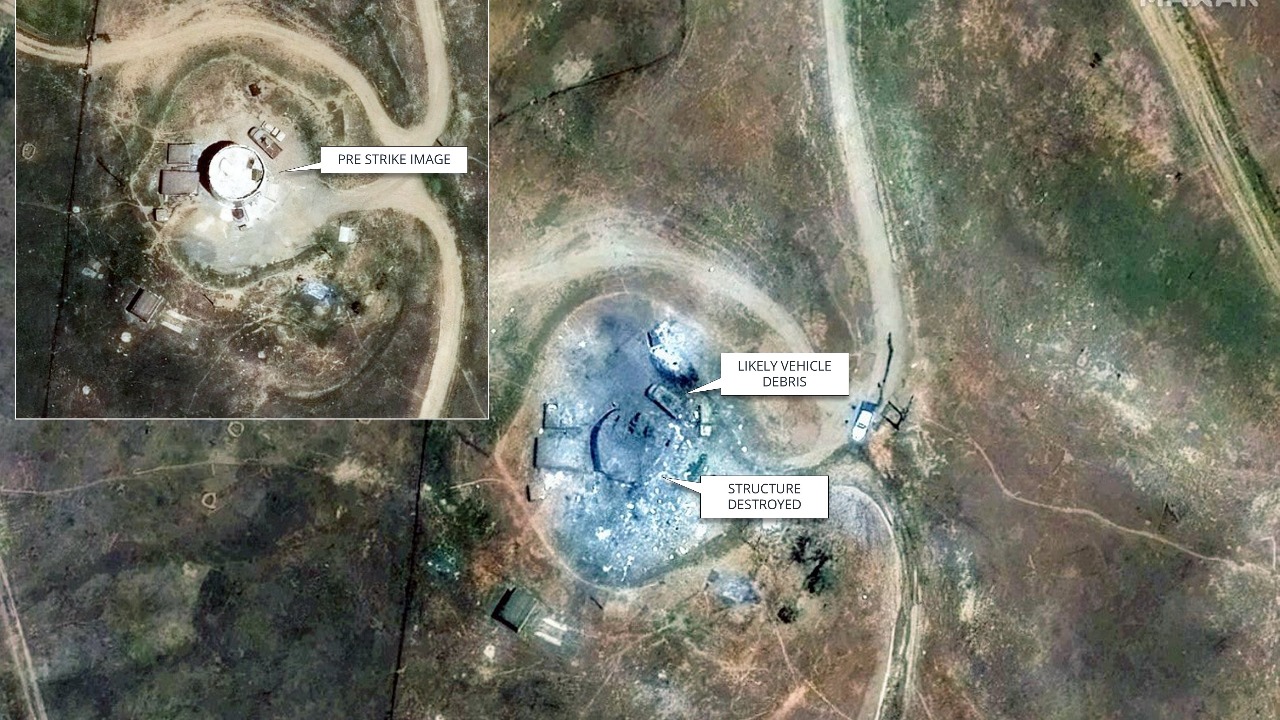
  • Evidence of Strikes: Photos show damage at Iran’s missile and nuclear sites in Parchin, Khojir, Natanz, Isfahan; and Israeli bases at Nevatim and Tel Nof .

  • Strategic Analysis: Images help assess remnants of radar installations, missile craters, and runway damages, assisting both nations in refining intelligence .

  • Public Insight: Private satellites like Planet Labs and Maxar have made some images publicly available, aiding journalists and analysts in verifying strike claims and extent of destruction .

  •  


5. Current Situations

🇺🇸🇮🇷 Iran’s Missile Barrage on Tel Aviv

On June 16, 2025, early Monday morning, Iran launched a fresh wave of over 100 ballistic missiles and drones at Israel, marking the fourth day of escalating conflict . Missiles struck Tel Aviv, Petah Tikva, and northern Israel. Powerful explosions triggered air-raid sirens, and at least 67 people were wounded, most moderately or lightly injured. Iran declared this retaliation for Israel’s strikes on its nuclear facilities and senior commanders .


🔥 The Broader Context

These recent attacks are part of a retaliatory cycle following Israel’s Operation Rising Lion, which struck Iranian nuclear and military infrastructure on June 13–15, reportedly killing over 224 in Iran and injuring more than 1,200. In response, Iran has launched over 270 missiles since June 13, with at least 22 penetrating Israel’s missile defenses, resulting in 14 deaths and hundreds injured .


🏙️ Impact on Tel Aviv & Civilians

  • Residential damage is reported in Tel Aviv and Petah Tikva, with buildings hit, windows blown out, and concrete surfaces scarred.

  • Casualties: 67 injured on Monday; previous waves also killed at least three civilians in the city .

  • Emergency response: Sirens have been blaring across central and northern Israel; shelters have been activated. Major cities remain on high alert .


🌍 Risk of Regional Expansion

The continuous missile exchanges have raised fears of a broader regional war. Countries like Britain have deployed military assets to the Middle East, while diplomatic efforts have stalled . The conflict has disrupted oil markets, impacted global flight paths, and sparked international condemnation alongside urgent calls for de-escalation.


⚠️ What’s Next?

  • High-alert status continues across Israeli cities; air defenses remain fully active.

  • Diplomatic pressure is intensifying, with international actors urging an immediate ceasefire.

  • Iran signals it won’t de-escalate until Israel suspends operations; Israel vows further retaliation if attacks persist .


This latest barrage targeting Tel Aviv is part of an ongoing cycle of retaliation. The situation remains volatile—any escalation could spread regional instability. I’ll keep tracking updates—let me know if you’d like satellite images of the impact or satellite intelligence analysis.

6. Conclusion & Outlook 

The Israel–Iran conflict has escalated into direct strikes and strategic deterrence. Satellite imagery plays a critical dual role: guiding intelligence operations and ensuring transparency for global observers. As diplomatic channels collapse, the eyes in the sky are more vital than ever to understand this fast-moving conflict and its global consequences.


Controversial Cases Kapil Sibal Has Fought (Against Indian Government or in Sensitive Matters)

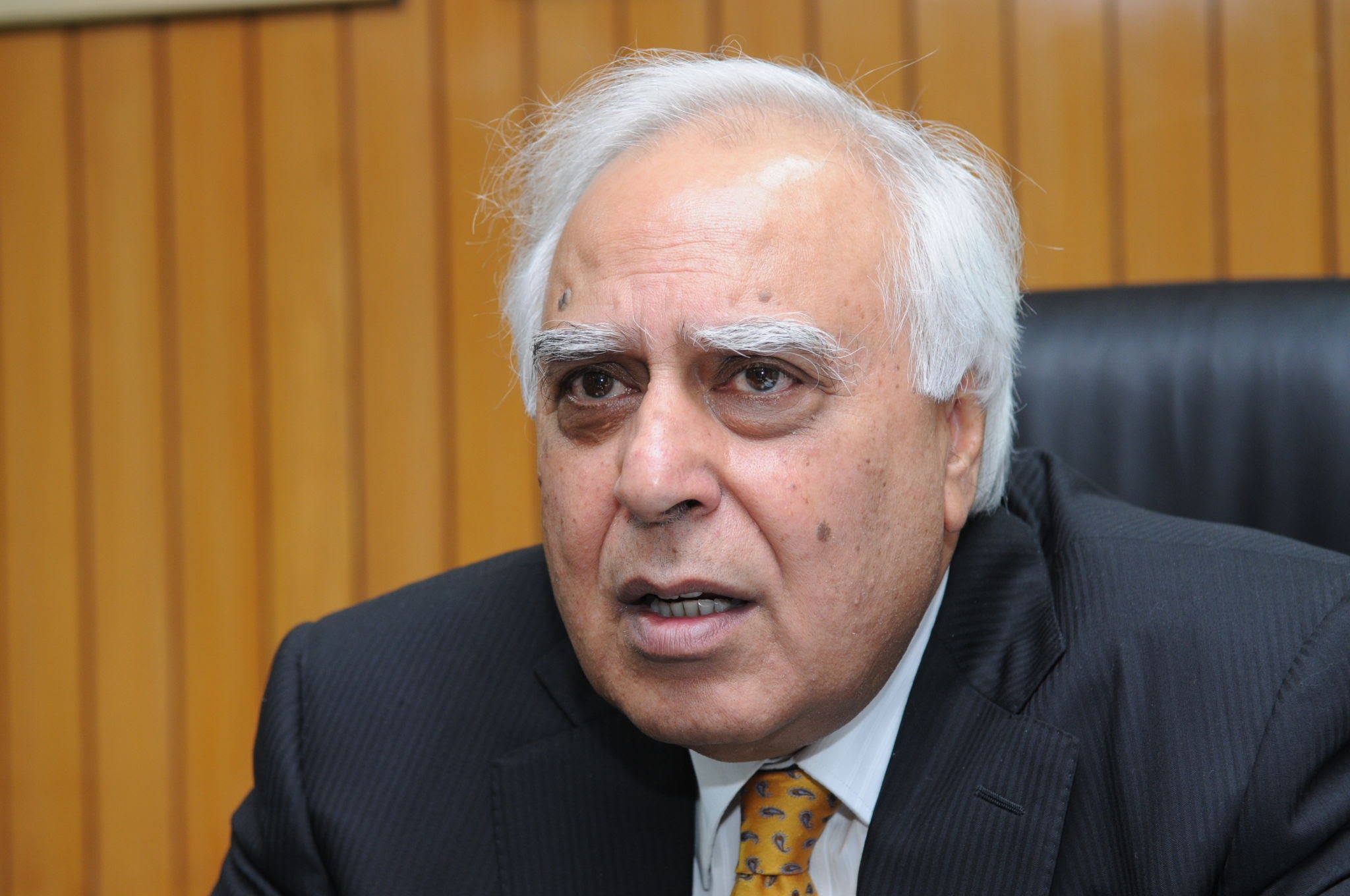
Kapil Sibal is a senior Indian advocate and politician, associated with multiple roles over decades — including being a Union Minister in the Congress-led UPA government, and now a prominent lawyer who frequently argues high-profile constitutional and criminal cases in the Supreme Court.


Some controversial cases where Kapil Sibal appeared as a lawyer that critics have pointed to as being politically or ideologically opposed to the government:


---

⚖️ Controversial Cases Kapil Sibal Has Fought (Against Indian Government or in Sensitive Matters):

1. Zakir Naik (Islamic Preacher)

Context: Zakir Naik is accused by Indian agencies of money laundering and promoting extremist ideology.

Kapil Sibal's Role: He appeared in legal representations related to Naik’s passport case.

Criticism: Opponents claimed he was helping someone linked to radical preaching, though legally, defending a client is a constitutional right.


2. SIMI Ban Case (Students Islamic Movement of India)

Context: SIMI was banned as a terrorist organization under UAPA.

Kapil Sibal's Role: He once argued in court on behalf of people linked to SIMI, challenging the ban.

Criticism: The government labeled SIMI as a terror organization; thus, his representation drew backlash.


3. Aadhaar Case

Context: The Aadhaar Act was challenged in court over privacy concerns and mandatory linkage.

Kapil Sibal's Role: He represented petitioners challenging the Aadhaar project’s constitutional validity.

Criticism: Though not a “terror” case, some viewed his opposition as obstructing a key government welfare reform.


4. Triple Talaq Case

Context: This involved the challenge to the Muslim practice of instant divorce.

Kapil Sibal's Role: He defended the practice on behalf of the All India Muslim Personal Law Board.

Criticism: Many saw this as regressive and anti-women, though he was defending a religious group’s traditional practices.


5. Rafale Deal Case

Context: This case involved allegations of corruption in the Rafale fighter jet deal.

Kapil Sibal's Role: He represented petitioners questioning the Modi government's deal with Dassault.

Criticism: BJP accused him of pushing politically motivated litigation ahead of elections.


6. Shaheen Bagh Protest Support

While not a court case, Sibal has publicly defended the right to protest against CAA/NRC laws.

Many BJP supporters saw this as support for anti-government protests.


7. Manish Sisodia (Excise Policy Case)

Context: Delhi Deputy CM Manish Sisodia was arrested by ED/CBI in an alleged liquor scam.

Sibal’s Role: He is representing Sisodia in court, challenging the legality of the arrest and investigations.

Criticism: Seen as defending corruption, though this is still under trial.


---

🔎 Important Note:

Kapil Sibal is a lawyer — and lawyers are duty-bound to defend their clients, even if they are unpopular or accused of serious crimes.

None of these cases prove anti-national activity on his part — although some of his political stances and legal representations have led to criticism from nationalist or right-wing groups.


---

🧠 Final Thoughts:

Kapil Sibal is often at odds with the BJP-led central government, both in his political role (as part of opposition) and as a lawyer. While his choice of clients or causes may be seen as controversial or “anti-establishment,” labeling them anti-national requires legal proof and not political opinion.


Monday, 9 June 2025

🌟 Nicholas Pooran Announces Surprise International Retirement at 29

🌟 Nicholas Pooran Announces Surprise International Retirement at 29

 In a major shock to cricket fans worldwide, West Indies wicket‑keeper batter Nicholas Pooran has announced his retirement from all forms of international cricket at the age of 29, while affirming his commitment to franchise leagues globally.


📣 The Announcement

On June 9–10, 2025, Pooran took to Instagram to break the news. In an emotional statement, he expressed immense gratitude:

“After much thought and reflection, I’ve decided to announce my retirement from international cricket… Wearing that maroon, standing for the anthem, and giving everything I had each time I stepped on the field…it’s hard to put into words what that truly means to me.” 

He thanked the fans, teammates, family, and Cricket West Indies, emphasizing that although this chapter closes, his love for West Indies cricket remains intact .


📊 Career Highlights

FormatMatchesRunsMilestones
T20Is1062,275West Indies’ leading T20I run-scorer; #5 globally in sixes with 149 
ODIs61~1,983Solid average near 39.7; first ODI century in 2019 World Cup (118 vs Sri Lanka)
Captaincy——Led West Indies in white-ball cricket; stepped down post-2022 World Cup

Despite his young age, Pooran becomes the most-capped West Indies T20I player, marking an unexpected but bold decision .


💡 Exit at Peak: Motivation & Concerns

Pooran’s decision mirrors a rising trend in international retirement by players still at their peak, prioritizing lucrative franchise cricket. He recently skipped a West Indies T20I series to rest post playing alongside Lucknow Super Giants in IPL 2025—a season where he scored a remarkable 524 runs at a strike rate nearing 200 .

Critics and fans have voiced concerns—some on social media blamed T20 leagues for "killing international cricket" as domestic tournaments take precedence .


🏆 Legacy & What’s Next

With over 4,000 international runs and a flamboyant batting style, Pooran has left behind what’s often called a “maroon legacy”—a bold, dynamic presence in West Indies cricket .

He now refocuses on his role as a global T20 specialist, participating in leagues like the IPL, CPL, and possibly others—ensuring fans worldwide can still enjoy his explosive batting.


✨ The Emotional Farewell

Despite his departure, Pooran’s Instagram tribute resonates with heartfelt sincerity:

“To the fans … You lifted me in the tough moments. To my family, friends, and teammates … Your belief and support carried me through it all. Though this international chapter closes, my love for West Indies cricket will never fade." 

Cricket West Indies responded with admiration, celebrating his colorful impact and wishing him well as he takes a different path forward.


🧠 Final Thoughts

Pooran’s early retirement is a landmark moment in cricket’s evolving landscape:

  • A 29-year-old stepping away at peak performance challenges traditional career trajectories.

  • His move underscores the tension between national pride and franchise rewards.

  • It sparks debate on the sustainability and future of international formats amid rising T20 allure.

■ What's your take?
Are players like Pooran pioneering a new direction, or are we witnessing a worrying shift away from national allegiances? Drop your thoughts below!